
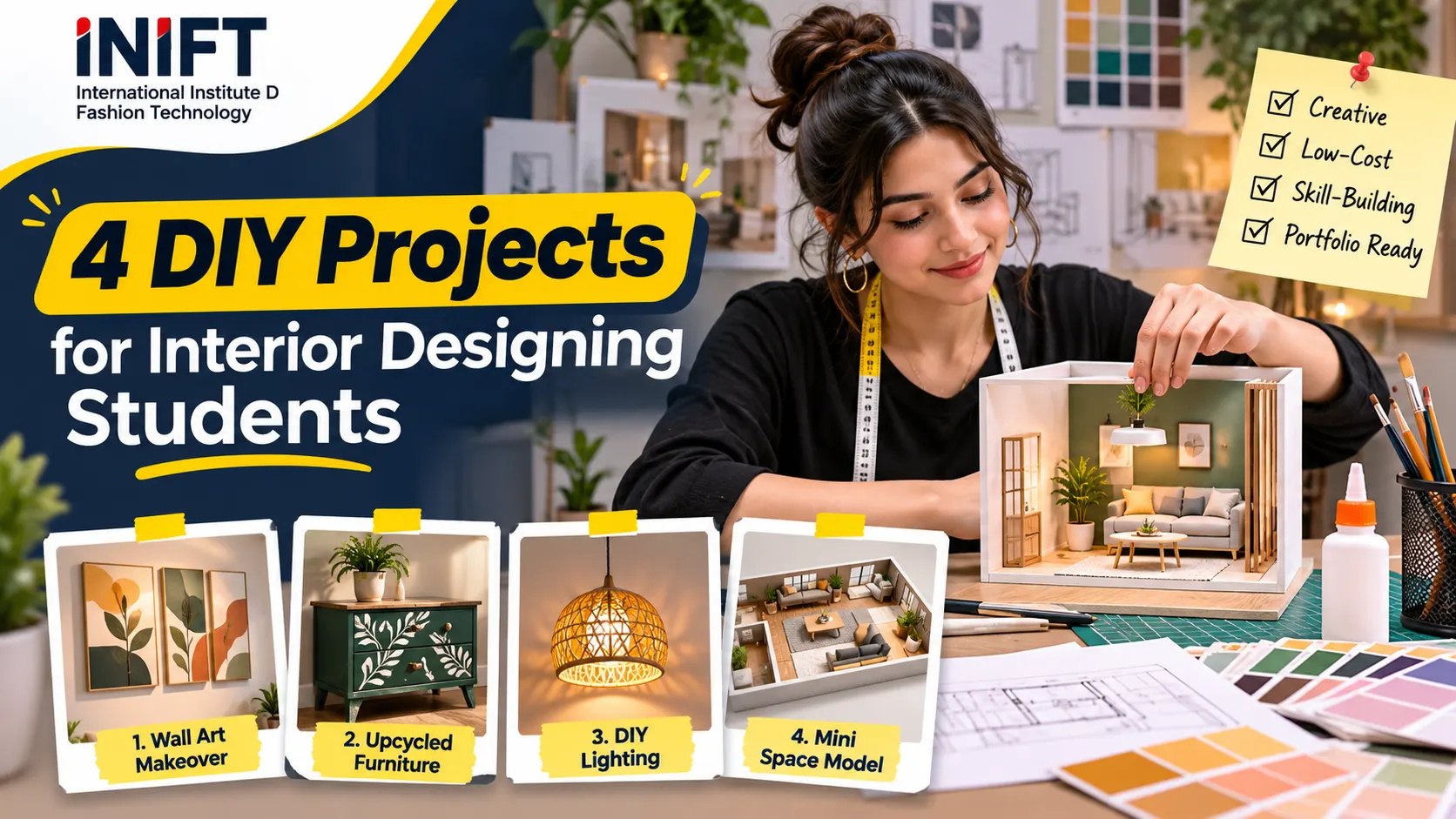
4 Creative DIY Projects for Interior Design Students to Try
Interior design is best learned by turning creative ideas into real projects. Working with different materials, colors, textures, and design elements helps students understand how interior spaces come together. Simple DIY activities can also help build practical skills and create impressive portfolio pieces.
Here are four creative DIY interior design projects that students can try at home or in their design studio.
1. Create a Stylish Wall Art Display
Wall art is an easy way to experiment with colors, patterns, and visual composition. Instead of purchasing ready-made artwork, students can create personalized decorative pieces using affordable materials.
How to create it:
- Choose a theme, such as abstract art, geometric patterns, or botanical designs.
- Select colors that complement the room’s interior palette.
- Use canvas, acrylic paints, textured paper, or recycled materials.
- Experiment with different shapes, layers, and painting techniques.
- Arrange the finished artwork as a gallery wall.
Skills you will develop: color coordination, visual balance, texture selection, and creative composition.

2. Give Old Furniture a Creative Makeover
Upcycling furniture is a practical way to explore sustainable interior design. An old table, chair, or cabinet can become an attractive statement piece with a little creativity and careful planning.
How to create it:
- Find an old wooden chair, side table, or storage cabinet.
- Clean and prepare the surface before making changes.
- Choose a suitable paint color, wood finish, or decorative material.
- Add new handles, patterns, or simple design details.
- Finish with an appropriate protective coating.
Skills you will develop: material selection, surface finishing, furniture styling, and sustainable design practices.
3. Design Your Own DIY Decorative Lighting
Lighting has a major influence on the atmosphere and functionality of an interior space. Creating a decorative lamp or pendant light is a useful way to understand how lighting design contributes to a room’s overall appearance.
How to create it:
- Select a simple lamp base or ready-made lighting fixture.
- Explore suitable decorative materials such as fabric, bamboo, or paper.
- Sketch a design that complements your chosen interior style.
- Assemble the decorative elements around a suitable light fixture.
- Test the lighting effect and adjust its placement.
Use commercially certified electrical components and avoid exposed wiring or unsafe electrical modifications.
Skills you will develop: lighting concepts, material experimentation, functional design and visual aesthetics.
4. Build a Miniature Interior Design Model
Creating a miniature room model is an excellent way to understand how different elements work together within a space. It allows students to experiment with furniture placement, proportions, color schemes, and interior layouts before developing a full-scale design.
How to create it:
- Select a room concept, such as a bedroom, living room, or studio apartment.
- Prepare a basic floor plan with approximate dimensions.
- Use cardboard, foam board, or craft materials to construct the room.
- Create miniature furniture and decorative accessories.
- Experiment with lighting, wall finishes, and furniture arrangements.
Skills you will develop: space planning, scale and proportion, model making, layout development, and design visualization.
How Do DIY Projects Help Interior Design Students?
Practical DIY activities offer valuable learning opportunities beyond classroom theory. They help students understand how design decisions translate into real-world applications.
Some important benefits include:
- Practical experience: Work with different materials, finishes, and decorative elements.
- Creative thinking: Explore original concepts and develop individual design styles.
- Problem-solving: Learn to overcome practical design challenges.
- Material knowledge: Understand the characteristics and applications of different materials.
- Portfolio development: Document completed projects to demonstrate creativity and practical abilities.
How to Include DIY Projects in Your Interior Design Portfolio
A well-presented project can demonstrate more than the final appearance of a design. It can also show your creative thinking and the process behind your decisions.
For every project, consider including:
- Project concept: Explain the idea and inspiration behind the design.
- Initial sketches: Show your drawings and planning process.
- Materials used: Mention the materials, finishes, and tools selected.
- Work in progress: Include photographs of important stages.
- Final result: Present clear photographs of the completed project.
This approach helps create a portfolio that communicates both your creativity and practical understanding of interior design.
Frequently Asked Questions (FAQs)
1. What are some easy DIY projects for interior design students?
Some easy DIY projects include creating wall art, upcycling old furniture, making decorative lighting, and building miniature room models. These activities help students explore creativity and develop practical design skills.
2. Why are DIY projects important for interior design students?
DIY projects help students understand materials, colors, textures, space planning, and design techniques. They also provide hands-on experience that supports practical learning beyond classroom theory.
3. What materials are needed for DIY interior design projects?
Common materials include cardboard, foam board, acrylic paints, wood, fabric, decorative paper, recycled materials, adhesives, and basic craft tools. The exact materials depend on the project.
4. How can interior design students create a professional portfolio using DIY projects?
Students can include project concepts, initial sketches, material selections, progress photographs, and final designs in their portfolios. Documenting each stage helps demonstrate creativity, planning, and practical abilities.
5. Can beginners try DIY interior design projects?
Yes. Beginners can start with simple activities such as painting wall art, decorating cushions, updating furniture, or creating miniature room models. These projects require basic materials and offer opportunities to learn through experimentation.
6. How do DIY projects improve interior design skills?
DIY projects improve creative thinking, problem-solving, material knowledge, color coordination, and understanding of design principles. They also help students develop confidence in turning design ideas into practical results.
Conclusion
DIY projects are a valuable way for interior design students to turn creative ideas into practical experience. From handmade wall art and furniture upcycling to decorative lighting and miniature room models, each activity offers an opportunity to explore different aspects of design.
Start with simple projects, experiment with materials, and document your work. Over time, these experiences can help you develop stronger design skills and build a portfolio that reflects your creative potential.
If you want to develop your knowledge further, explore the Interior Design Courses at INIFT to learn more about interior design education and practical learning opportunities.