A Beginner’s Guide to Become a Fashion Designer – Start Your Creative Journey
Fashion is more than just clothing—it is a form of self-expression, creativity, and innovation. If you’ve ever imagined creating your own designs, styling outfits, or setting trends, then fashion designing could be the perfect career for you. This beginner’s guide to become a fashion designer will walk you through everything you need to know, from understanding the basics to building a successful career in the industry.
Why Choose Fashion Designing as a Career?
Fashion designing is one of the most exciting and evolving industries in the world. With the rise of social media, fashion influencers, and online brands, the demand for skilled designers is growing rapidly.
Here are some reasons why fashion designing is a great career choice:
- It allows you to express your creativity
- Offers diverse career opportunities
- Provides opportunities to work globally
- Gives you the chance to start your own brand
- High demand for skilled professionals
If you are passionate about fashion and willing to work hard, this field can offer both creative satisfaction and financial success.
Step-by-Step Guide to Become a Fashion Designer
Step 1: Discover Your Passion
The first step is identifying your interest in fashion. Ask yourself if you enjoy sketching outfits, experimenting with styles, or keeping up with fashion trends. Passion is the foundation of a successful fashion career.
Step 2: Learn the Basics of Fashion Design
Before stepping into the professional world, you need to understand the fundamentals of fashion designing. These include:
- Fashion Illustration and Sketching
- Textile and Fabric Knowledge
- Pattern Making
- Garment Construction
- Color Theory and Styling
These basics help you understand how designs are created from concept to final product.
Step 3: Enroll in Professional Courses
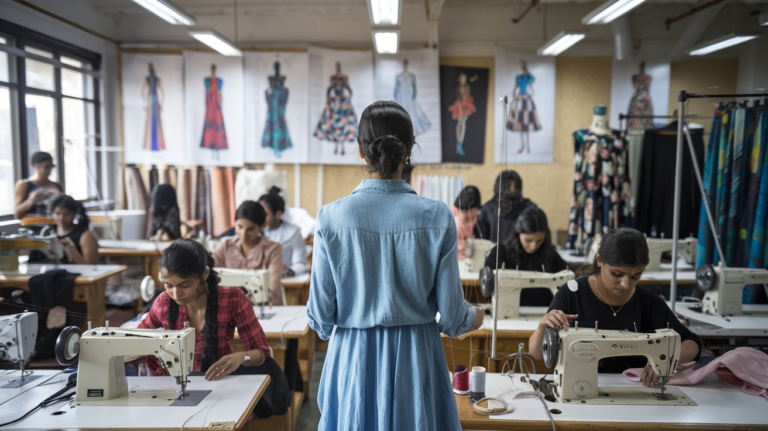
While self-learning is helpful, enrolling in a professional course provides structured learning and practical exposure. Many aspiring designers choose fashion design courses in Kolkata to gain industry-relevant knowledge and hands-on training.
A good course will help you:
- Learn from experienced faculty
- Work on real-life projects
- Build a strong portfolio
- Gain industry exposure
Step 4: Practice Regularly
Practice plays a crucial role in improving your skills. Start with simple designs and gradually move to complex ones.
You can:
- Sketch daily
- Experiment with fabrics
- Try stitching basic garments
- Follow current fashion trends
The more you practice, the more confident you become.
Step 5: Build a Strong Portfolio
Your portfolio is your identity as a fashion designer. It showcases your creativity, skills, and unique design sense.
A good portfolio should include:
- Design sketches
- Finished garments
- Mood boards
- Concept-based collections
This will help you stand out when applying for internships or jobs.
Step 6: Gain Practical Experience
Practical exposure is essential in the fashion industry. You can gain experience by:
- Doing internships with designers
- Assisting in fashion shows
- Working on freelance projects
- Collaborating with local brands
This helps you understand real-world challenges and industry expectations.
Step 7: Start Your Career
Once you have the required skills and experience, you can start your career in various roles, such as:
- Fashion Designer
- Fashion Stylist
- Textile Designer
- Fashion Illustrator
- Fashion Merchandiser
You can also start your own boutique or fashion label and build your brand.
Essential Skills Required
To become a successful fashion designer, you need a combination of creative and technical skills:
- Creativity and imagination
- Attention to detail
- Strong visualization skills
- Knowledge of trends and markets
- Communication and presentation skills
- Time management
Developing these skills will help you succeed in the competitive fashion industry.
Career Opportunities in Fashion Designing
The fashion industry offers a wide range of opportunities. After completing your training, you can explore different career paths:
- Apparel Designer
- Fashion Consultant
- Personal Stylist
- Costume Designer
- Fashion Blogger or Influencer
With digital platforms growing rapidly, you can also sell your designs online and reach a global audience.
Why Choose Fashion Design Courses in Kolkata?
Kolkata is known for its rich cultural heritage and artistic environment, making it a great place to study fashion designing. The city offers a blend of traditional and modern fashion influences.
Benefits of studying here include:
- Affordable course fees
- Exposure to traditional textiles and crafts
- Access to experienced faculty
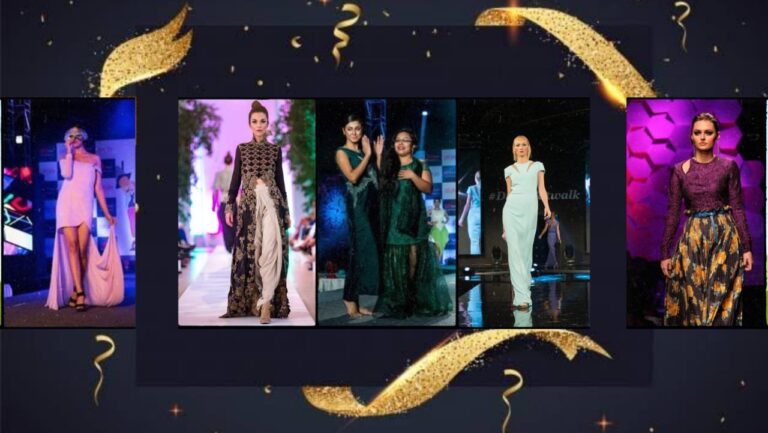
- Opportunities to participate in fashion events
Enrolling in Fashion Design Courses in Kolkata can give you the right start in your fashion career.
Can You Become a Fashion Designer Without a Degree?
Yes, you can become a fashion designer without a formal degree. However, professional training can give you an advantage by providing structured learning, practical experience, and industry exposure.
In this field, your skills, creativity, and portfolio matter more than your degree.
Conclusion
Becoming a fashion designer is a journey that requires passion, dedication, and continuous learning. This beginner’s guide to become a fashion designer highlights that anyone with creativity and determination can succeed in this field.
By learning the basics, enrolling in professional fashion design courses in Kolkata, practicing regularly, and gaining real-world experience, you can build a rewarding career in fashion.
If you dream of creating your own designs and making a mark in the industry, now is the perfect time to start your journey.
FAQs
1. How long does it take to become a fashion designer?
It can take anywhere from 6 months to 3 years depending on the course and your dedication.
2. What qualifications are required?
You can start after 10th or 12th. No specific stream is required.
3. Is fashion designing a good career?
Yes, it offers creativity, flexibility, and strong career growth opportunities.
4. What is the starting salary of a fashion designer?
Beginners can start with a decent salary, which increases with experience and skills.